


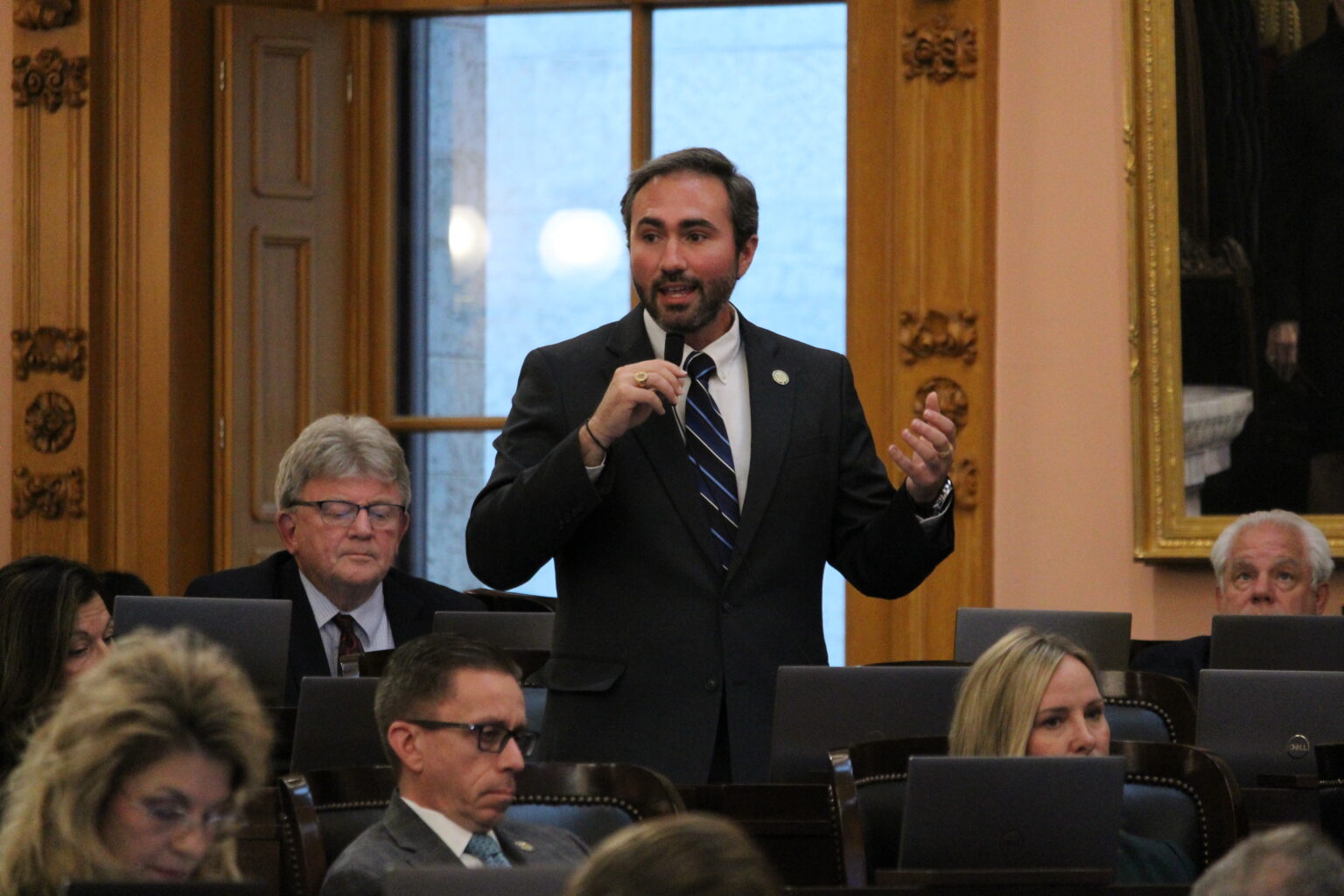
Proponents of the bills, which passed with significant bipartisan support, estimate the measures will provide more than $2.4 billion in property tax relief to Ohio homeowners over the next three years. The legislative action comes in direct response to widespread frustration over tax spikes that followed recent property reappraisals across the state.

Key Provisions of the Legislation
The two bills target different elements of the property tax structure:

* HB 186: Targeting the 20-Mill Floor (School Taxes)
* This bill establishes an Inflation Cap Credit for property owners in school districts that are at the state-mandated “20-mill floor” (representing the minimum effective tax rate for schools).
* The cap prevents a school district’s property tax revenue from unvoted millage from growing faster than the rate of inflation.
* The measure is expected to save property owners an estimated $1.7 billion over the next three years and would also provide a future discount for increases property owners have already incurred since 2022.
* To prevent immediate financial strain on schools, the latest version of the bill includes a temporary $465 million offset from the state to cover revenue losses over the next two years.
* HB 335: Capping Inside Millage (Local Government Taxes)
* This legislation applies a similar inflation cap to “inside millage,” which are property taxes levied by local governments (counties, townships, etc.) that do not require voter approval.
* The cap limits the growth of collections from inside millage to the average of the three previous years of inflation, providing an estimated $620 million to $763 million in relief.

Next Steps and School Concerns
Lawmakers touted the passage as the most significant modernization of Ohio’s property tax system in decades.

“Government should not take more than inflation without a vote of the people,” stated one Republican sponsor of the bill.
However, some school officials have voiced caution, expressing concern that while the state’s one-time funds are helpful, long-term limits on revenue growth could strain budgets. A proposal by one Republican senator to replace all local school property taxes with a statewide property tax and a sales tax increase has also entered the debate, signaling that the property tax issue will remain a top legislative priority.
The two bills now move to the Ohio Senate for further consideration before they can be sent to Governor Mike DeWine to be signed into law.