


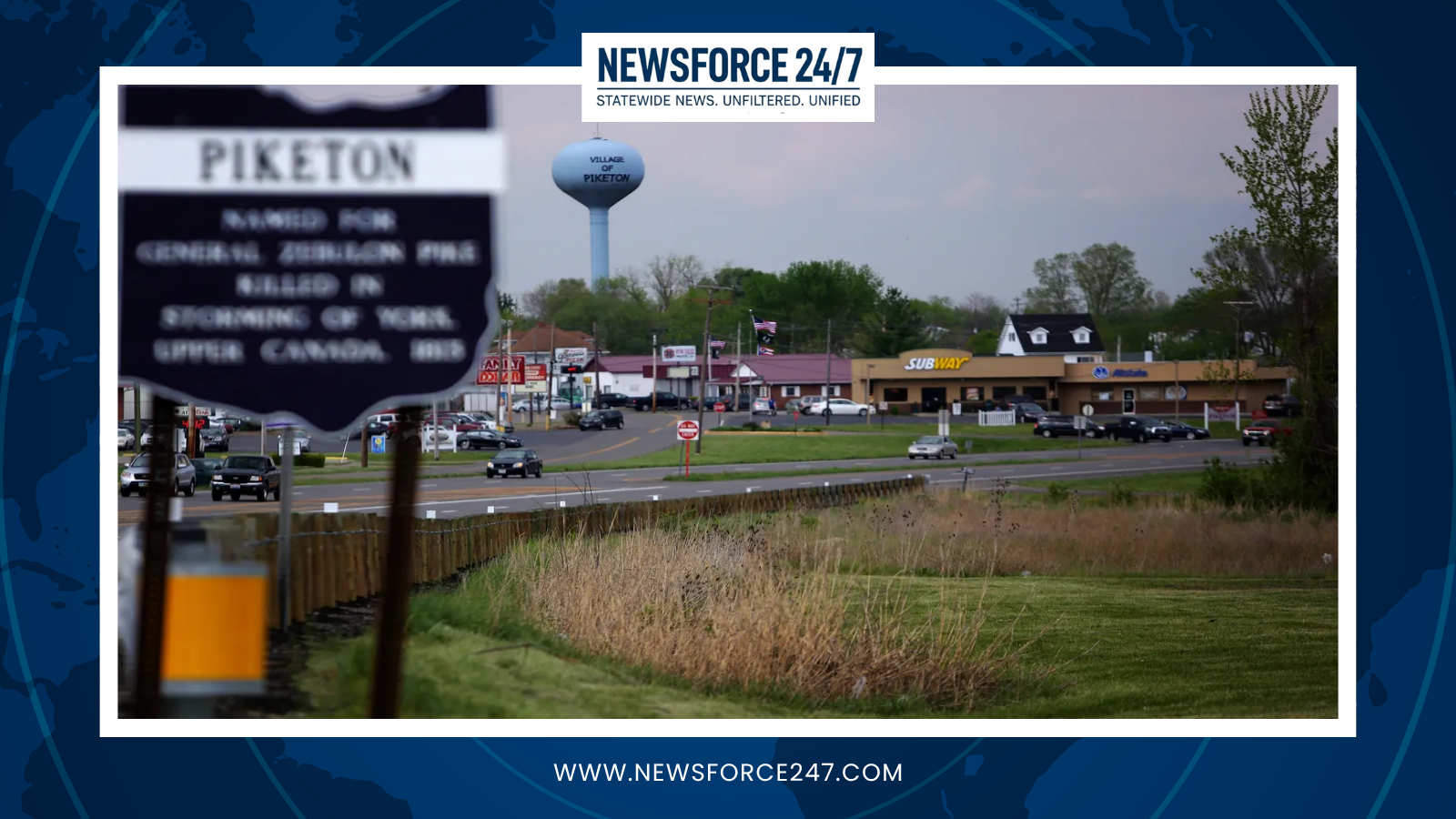
PIKETON, Ohio — A proposed $33 billion power plant and artificial intelligence data center in southern Ohio is drawing both excitement and skepticism as debate intensifies over its scale, feasibility and long-term impact.

Backed by former President Donald Trump and a coalition of private investors, the project would be built near Piketon and is being described by supporters as a cornerstone of future U.S. energy and AI infrastructure. Developers say the facility could anchor up to $1.5 trillion in related investment over several decades, positioning the region as a national hub for high-performance computing and advanced manufacturing.
At the center of the proposal is a 9.2-gigawatt power plant — a capacity that would make it one of the largest in the world. Proponents argue the scale is necessary to meet the soaring energy demands of AI data centers, which require vast, continuous power to support machine learning systems and cloud computing operations.

“This is about securing America’s leadership in the next generation of technology,” a project spokesperson said, emphasizing potential job creation and regional economic revival.
But energy experts and environmental groups are raising concerns about whether the project is too ambitious to succeed.

“The sheer size of this proposal raises serious red flags,” said an energy policy analyst familiar with large-scale infrastructure projects. “Projects of this magnitude often face cascading challenges — from supply chain constraints to permitting delays — that can make them difficult to complete on time or within budget.”
Critics also point to environmental risks, including water usage, emissions and land disruption in a region already sensitive to industrial development. While developers have indicated they will incorporate cleaner energy technologies, details remain limited.

Local reaction has been mixed. Some residents and officials see the project as a rare opportunity for economic growth in a region that has faced decades of industrial decline. Others worry about the long-term environmental footprint and whether promised benefits will materialize.
“We’ve heard big promises before,” said one Piketon resident. “People want jobs, but they also want to know what this means for their health and the land.”
Regulatory approval processes are expected to take years, and the project’s ultimate fate remains uncertain as federal, state and local agencies weigh its potential benefits against the risks.
As demand for AI infrastructure continues to surge, the Piketon proposal has become a test case for how far the U.S. is willing — and able — to go in scaling up its energy capacity to support the next wave of technological growth.