


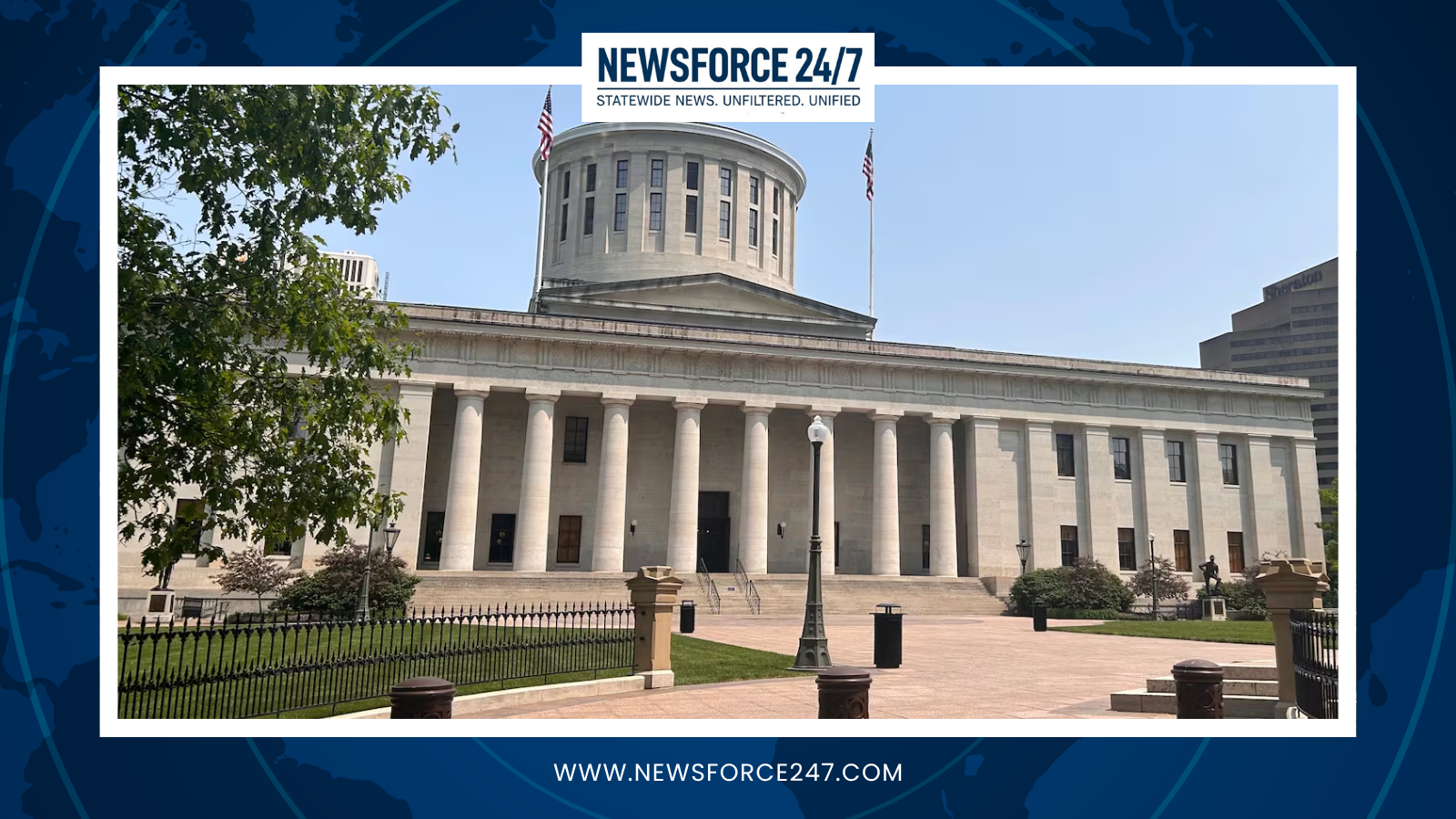
Bill would pay local governments to merge
Under HB 574, the state would set aside tens of millions of dollars for a two‑year pilot program that rewards local governments that choose to consolidate. Villages, townships and cities that merge with at least one neighboring jurisdiction could qualify for grants calculated by multiplying the combined population by a set factor and adding a percentage of the lower‑spending entity’s budget, with awards capped at roughly $2 million. Special districts, such as health or library districts, could also be eligible if they merge with similar entities under existing state law. The sponsors pitch the framework as a way to reduce duplication in Ohio’s 6,000‑plus taxing jurisdictions and to shift from punitive measures toward financial incentives for consolidation.

Township leaders fear loss of local control
Members of the Ohio Township Association (OTA) say the proposal may be labeled “voluntary” on paper but could, in practice, pressure small communities to give up their township governments to secure scarce resources. OTA policy staffer Kyle Brooks said House Bill 574 would incentivize local governments to merge in ways that could limit essential services for rural residents and dramatically reshape county landscapes. “With consolidation, especially in rural communities, the landscape of a county could change almost completely,” Brooks said, arguing that a one‑size‑fits‑all policy from Columbus rarely works for small townships. Township officials warn that once a township structure is dissolved through merger, residents may lose the three‑trustee system and close‑to‑home decision‑making they rely on for roads, fire, zoning and cemetery care.
Rural economy and services at stake
The OTA points to new research indicating Ohio’s townships generate more than $413 billion in economic output statewide, calling them a major “economic driver” for rural regions. Brooks and other advocates argue that consolidations designed around cost‑cutting could overlook the role township governments play in supporting agriculture, small businesses and local infrastructure outside larger cities. At the same time, townships already face financial strain from rising property taxes and debates over future revenue streams, with some considering city status to gain income‑tax authority to keep police, fire and road services afloat. Critics say layering a state‑backed consolidation incentive on top of those pressures could put rural boards in the position of choosing between preserving autonomy or chasing dollars needed to maintain basic services.

Broader push to shrink local government
HB 574 lands amid a broader Republican‑led effort at the Statehouse to reduce the number of taxing authorities and local governments in Ohio. A recently enacted “village audit” law has already put at least 28 village governments on track for possible dissolution after 2030, depending on local votes. Separate legislation, House Bill 520, would create county‑level “blue ribbon” panels to study consolidating everything from school districts to local service districts in a bid to control property taxes. Some state officials and auditors argue Ohio has “too many layers of government,” while a gubernatorial working group co‑chair has suggested that meaningful consolidation may ultimately require the legislature to act “by force” to overcome what he called local “foolish pride.”
Next steps and a looming fight
House Bill 574 is still in its early stages and has yet to receive its first public committee hearing, giving supporters and opponents time to shape the debate. The bill’s sponsors say they expect changes and want a conversation about making consolidation attractive rather than mandatory, but rural advocates are already organizing to ensure township voices are heard before any pilot program becomes law. With billions in rural economic output and the future of local governance on the line, the fight over HB 574 is poised to test how far Ohio is willing to go in trading hometown control for promises of efficiency and lower taxes.
