


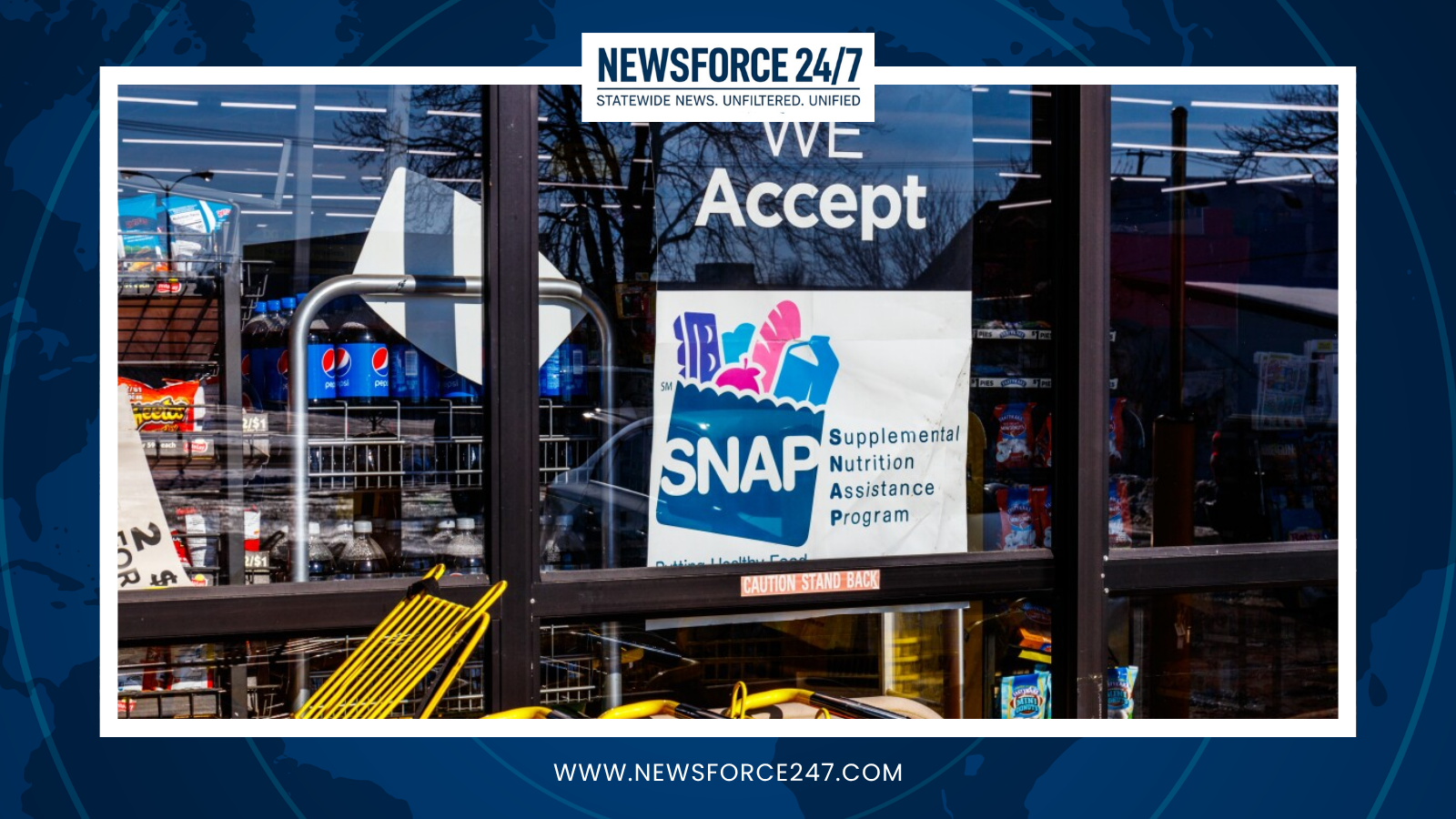
For decades, the Supplemental Nutrition Assistance Program, or SNAP, has split administrative costs evenly between the federal government and the states, but recent changes in the federal “One Big Beautiful Bill” Act will shift more of that burden onto Ohio and its 88 counties beginning this fall. Lawmakers responded by folding a $12.5 million county relief plan into House Bill 730, a broader spending measure that cleared the House last week and now heads to the Senate.

‘Equal’ formula, unequal impact
Under the House plan, counties would receive extra SNAP administrative dollars based on a roughly equal per‑county formula, rather than the long‑standing practice of distributing funds by caseload or demonstrated need. That means smaller, mostly rural counties are poised to have their entire SNAP shortfalls covered, while large urban counties that process the bulk of Ohio’s cases would see only a fraction of what they need.
House Democrats say the model is anything but neutral. Minority Leader Dani Isaacsohn of Cincinnati accused Republicans of “intentionally” steering scarce dollars to smaller, red‑leaning counties while shortchanging large, more Democratic‑leaning jurisdictions where most SNAP recipients live. “More than 60% of SNAP recipients live in Ohio’s largest counties, yet the Republican‑passed proposal would ensure those counties receive only about 20% of the state funding allocated,” Isaacsohn said in a statement.

Big counties warn of multi‑million‑dollar gaps
County leaders and advocates say the math translates into stark budget holes in major population centers such as Franklin, Cuyahoga and Hamilton counties, which together serve hundreds of thousands of SNAP recipients. In Cuyahoga County, for example, the House plan would provide roughly $226,000 toward what lawmakers estimate is a $7.7 million administrative funding gap, leaving more than $7.5 million for local officials to absorb.

Franklin County officials have previously warned they expect at least $7 million in additional SNAP administrative costs as federal support is ratcheted down and error‑based penalties kick in. With the state’s “equal” formula, they argue, local taxpayers could be forced to make up the difference, even as urban caseloads remain among the highest in Ohio.
Rep. Chris Glassburn, a Democrat from North Olmsted, said more than 70% of Ohio’s SNAP caseload sits in the 10 largest counties, but those communities would receive less than 18% of the new state funding under the House plan. “What we’re seeing is the creation of a two‑tiered system where some communities are made whole and others are left behind,” Glassburn said.

GOP leaders defend approach
Republican budget writers counter that the state is stepping up to cover its full share of the new federal costs and that counties should also shoulder part of the load. House Finance Chair Brian Stewart of Ashville has argued publicly that some counties “don’t think they should have any share of the cost of maintaining this, and I think that’s just unsustainable.”
Supporters of the plan say the $12.5 million allocation ensures that every county receives some help and that fiscally responsible local governments can tap reserves or adjust budgets to close any remaining gaps. In a televised interview, one Republican lawmaker suggested the shortfalls would amount to a small percentage of many counties’ carryover balances, framing the issue as a question of local priorities rather than a crisis.
High error rate raises federal stakes
The funding fight comes as Ohio works to lower its SNAP payment error rate, a key metric that tracks mistakes in eligibility decisions and benefit amounts. Ohio’s current error rate is 9%, above the new 6% threshold at which states can be forced to cover between 5% and 15% of SNAP benefit costs, not just administrative expenses.
Democrats and county advocates warn that underfunding large urban counties’ administrative budgets could make it harder to hire and retain caseworkers, leading to more mistakes and potentially triggering hundreds of millions of dollars in additional state costs or benefit cuts. Glassburn has cautioned that Ohio could lose up to $350 million in federal SNAP benefits next fiscal year if error rates do not improve, a hit he says would dwarf the current dispute over $38.2 million in county shortfalls.
Local taxpayers on the hook?
Ohio is among a small group of states that require counties to share in SNAP administrative costs, a structure that already pushes local governments to rely heavily on property tax levies to fund social services. Critics say the House plan continues a pattern of shifting costs down to counties, forcing them to choose between raising taxes, cutting services or reducing staff in offices that process food aid applications.
“We’ve seen this playbook before — push costs down to counties, force difficult budget decisions locally, and then blame local governments when property taxes go up,” Glassburn said. Isaacsohn and other Democrats are urging the Senate to restore a needs‑based formula tied to caseload and poverty levels, arguing that food assistance “should not be political.”
The Ohio Senate is expected to take up House Bill 730 and the SNAP funding language in the coming weeks, with county officials, anti‑hunger advocates and local taxpayers watching closely to see whether the “equal distribution” model survives negotiations.