



A forgotten integrated neighborhood
From roughly the late 1940s through the 1970s, Wheelock Cuyahoga Acres (WCA) stood on what is now part of Cascade Valley Metro Park’s Valley View and Schumacher Valley areas, just off Cuyahoga Street north of Sackett Avenue in Akron’s Merriman Valley. Cultural resources staff with Summit Metro Parks say it was the only known Black rural community in Summit County and among just a handful in Ohio—a place where Black and white families lived side by side decades before federal fair housing protections took effect in 1968.

The neighborhood took shape on land purchased in 1925 by Cleveland furniture magnate Odell K. Wheelock and Akron furniture store owner Jerry C. Cranmer, who later marketed the development as Wheelock Cuyahoga Acres. Archival advertisements show lots were offered to both Black and white buyers, an unusual practice in an era when racially restrictive covenants and overt discrimination were still common in housing. “It was racially integrated in a time when that wasn’t very common,” said Charlotte Gintert, a cultural resources specialist for Summit Metro Parks who has helped lead the research into the site.
Lives built along Honeywell Drive
At its peak, Wheelock Cuyahoga Acres was small—city directories list no more than eight houses—but it attracted working-class residents, including Black families arriving in Ohio as part of the Great Migration and white Appalachian families moving north for industrial jobs. Many of the homes were modest basement houses, a common strategy for low-income homeowners who built a foundation and roof first, then gradually added upper stories as they saved money.

Among those who bought into the neighborhood were George “Conrad” and Willie Mae Prather, who left the Jim Crow South seeking better opportunities and settled at WCA in the early 1950s. Conrad worked at Goodyear Tire & Rubber Co., while Willie Mae found work as a housekeeper in a private home; together, they slowly constructed what they hoped would be their permanent home, one of the few in the neighborhood that was not a basement house. The couple never got to live there—an arsonist destroyed the house in August 1976—but the site now lends its name to Cascade Valley’s Prather Trail, where park visitors walk past the excavated remains of their foundation and artifacts of their daily life.
Just west along the old Honeywell Drive lived Victor and Esther Johnson and their three children, who occupied a basement home from the early 1950s until 1976, when they moved to Columbus. Victor also worked at Goodyear, while Esther maintained extensive gardens; their daughter, Victoria, has since shared stories and family history with Summit Metro Parks as part of the research effort. The foundation of the Johnson home will be visible from the park district’s planned Honeywell Link Trail, which will follow the route of the former neighborhood road.

From golf course to historic site
The physical traces of Wheelock Cuyahoga Acres were nearly erased in the late 1970s, when the homes were demolished to make way for the Valley View Golf Course. Summit Metro Parks acquired the Schumacher Valley area in the 1970s and later purchased the former golf course property in 2016 as part of a larger effort to restore the Cuyahoga River corridor. As restoration work began, cultural resources staff launched a parallel effort in 2017 to document the human history of the landscape, partnering with the University of Akron’s anthropology department and graduate programs in applied history and public humanities.
Archaeologists and students have since excavated multiple home sites, including the Prather and Johnson properties, uncovering building foundations and household artifacts that help reconstruct daily life in the community. Descendants of WCA residents have contributed oral histories, photographs and family stories, filling in gaps left by sparse official records and incomplete maps. “The majority of those initial property owners were Black, so that is something very unique,” Gintert noted, emphasizing how the neighborhood offered a rare opportunity for Black homeownership in a rural setting near Akron and Cuyahoga Falls.

Case for the National Register
Summit Metro Parks officials believe the former Wheelock Cuyahoga Acres qualifies for the National Register of Historic Places under “Criterion A,” which recognizes properties associated with events that have made a significant contribution to broad patterns of American history. They argue the site offers a tangible link to both the Great Migration and the long struggle against housing discrimination, illustrating how Black families carved out space for ownership and community even when segregation was not yet outlawed.
If the nomination is approved, the Wheelock Cuyahoga Acres site would join a growing roster of places around the country recognized not just for architecture, but for their role in civil rights and social history. While National Register listing does not itself prohibit changes to a property, park leaders say it would add formal recognition and weight to their ongoing commitment to preserve remaining archaeological features, interpret the neighborhood’s story for visitors, and include descendants in shaping future uses of the land.
Preserving stories in the landscape
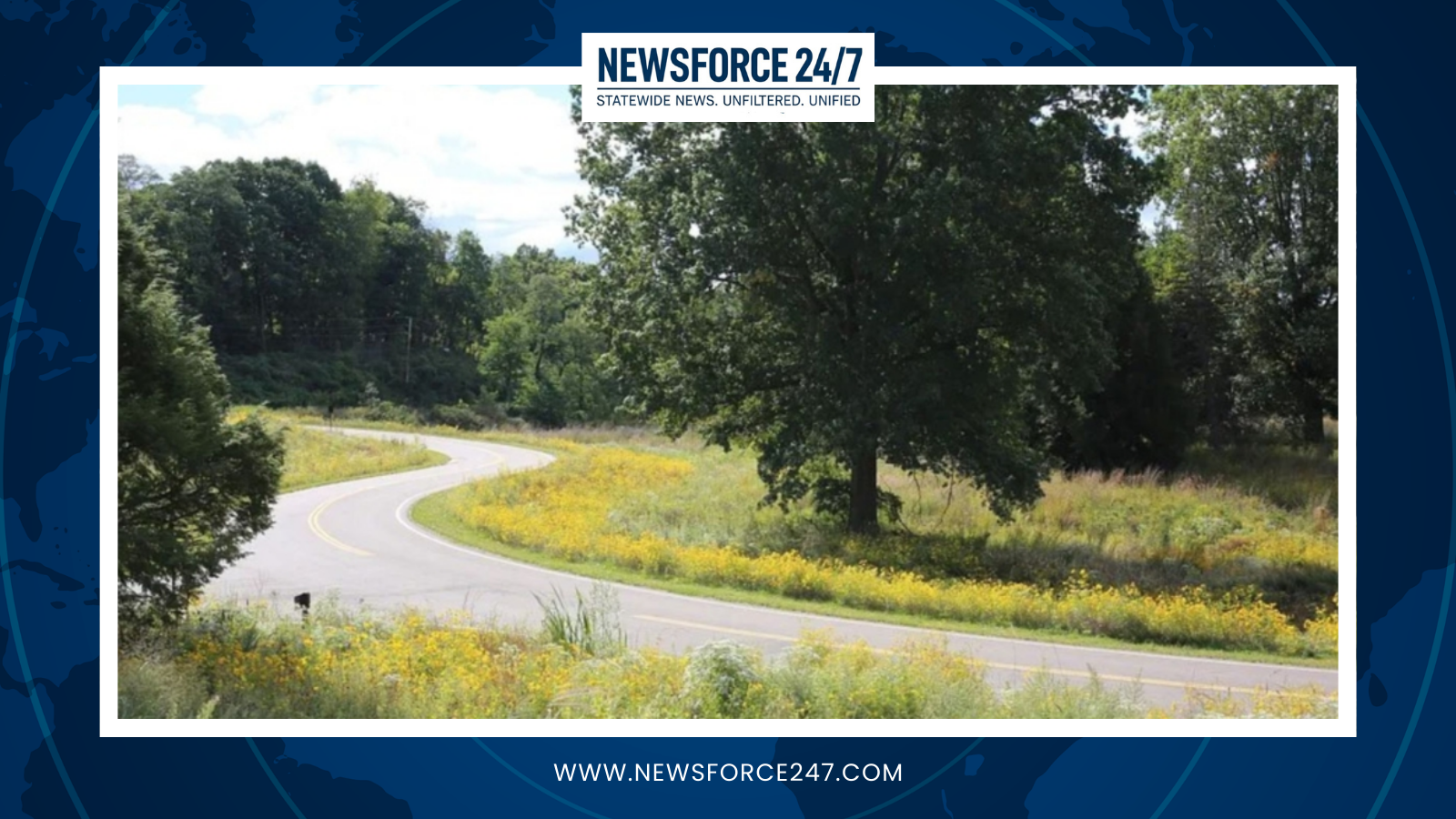
Today, park-goers walking the Prather Trail or the broader Valley View Area see a recovering Cuyahoga River landscape where a golf course once stretched across manicured fairways. Embedded within that restored ecosystem are the traces of basement homes, gardens and footpaths that tell a parallel story about race, opportunity and resilience in mid-20th-century Ohio.
Summit Metro Parks has already begun weaving that history into its public programming, using interpretive signs, blog posts and social media campaigns during Black History Month to highlight Wheelock Cuyahoga Acres. As the National Register nomination advances, the park district’s work at the site is poised to turn an almost-forgotten neighborhood into a formally recognized chapter of the region’s past—one that shows how ordinary families helped integrate a landscape long before the law required it.