


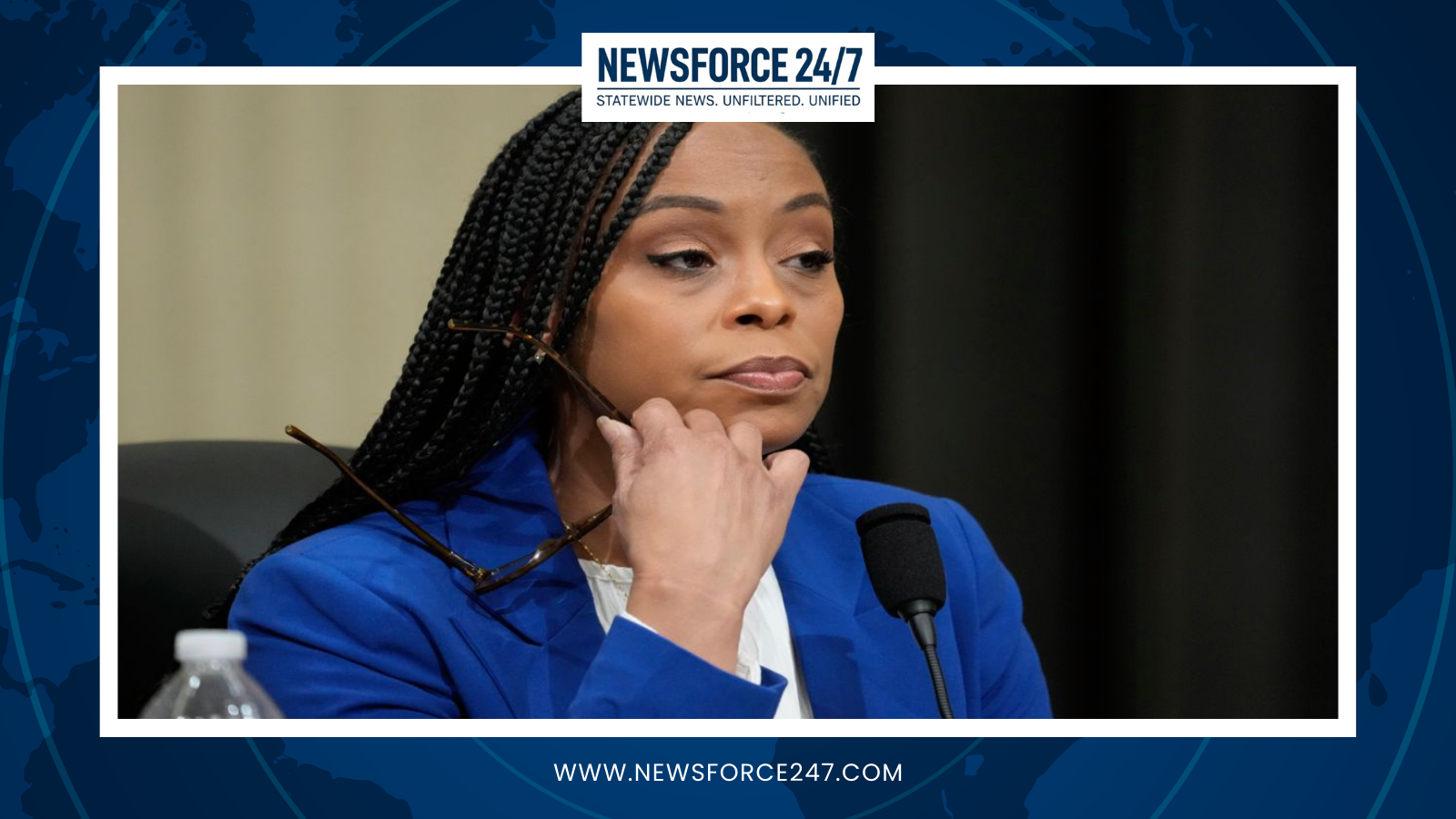

In a statement released from her Washington office, Brown, a Democrat representing Ohio’s 11th Congressional District, said the decision by Secretary of State Frank LaRose to comply with a federal request for the full statewide voter file raises serious concerns about privacy, civil rights and transparency. “The Ohio Secretary of State has released over 8 million voter registration records to the Department of Justice,” her office said, framing the handover as part of a broader pattern of what she and other Democrats describe as hostility toward voting rights under the Trump administration.

LaRose has confirmed in recent media interviews that his office provided the DOJ with the registration data of “nearly 8 million” registered voters after receiving a formal request earlier this year. The information includes voters’ names, home addresses, dates of birth, the last four digits of their Social Security numbers and Ohio driver’s license numbers, according to a 10TV report and other local coverage of the data transfer. LaRose has defended the decision as both legally required and routine, saying federal law — specifically the National Voter Registration Act and Voting Rights Act — obligates states to make such records available to the U.S. attorney general and others enforcing election laws.
The Department of Justice requested the trove of data to review Ohio’s compliance with federal election statutes, LaRose’s office said in a February 13 letter acknowledging the handoff. The secretary, a Republican, has argued that refusing the request could expose Ohio to litigation and insists the data will be protected by strict federal privacy safeguards. “The federal government is bound by data privacy laws that are pretty ironclad,” he told 10TV, adding that officials who misuse the information could face criminal penalties.

Brown, a member of the Congressional Black Caucus whose Cleveland-area district includes some of the state’s most reliably Democratic precincts, is not convinced. In her statement, she denounced what she characterized as an “outrageous” demand for sensitive personal information from millions of law‑abiding voters without adequate public explanation, warning that such actions could chill participation and erode trust in elections, especially in communities of color. She also questioned why Ohio did not join other states that have pushed back against perceived overreach from the Trump Justice Department on voting and election oversight.

Voting‑rights advocates in Ohio have already been at odds with LaRose over how his office manages the state’s voter rolls, including new verification and purge procedures enacted under Senate Bill 293. In January, the ACLU and allied groups sent LaRose a letter warning that monthly mass removals of voters based on database checks for citizenship and data “mismatches” risked wrongly flagging eligible voters and violating the National Voter Registration Act’s protections. Against that backdrop, Brown’s criticism of the DOJ data transfer taps into existing fears among civil‑rights groups that large‑scale data sharing could be used to justify further purges or targeted investigations, even if officials insist the purpose is compliance review.

LaRose, who has tried to position himself as both a defender of “election integrity” and an adherent to federal law, has stressed that voter registration records are not secret and that similar requests could come from private litigants or watchdog groups. But Brown’s pushback signals that Ohio’s handling of voter information is likely to remain a flashpoint heading into the 2026 election cycle, with Democrats in Congress and civil‑rights organizations demanding more transparency about how the Trump administration’s Justice Department will store, analyze and ultimately use the data now in its hands.