


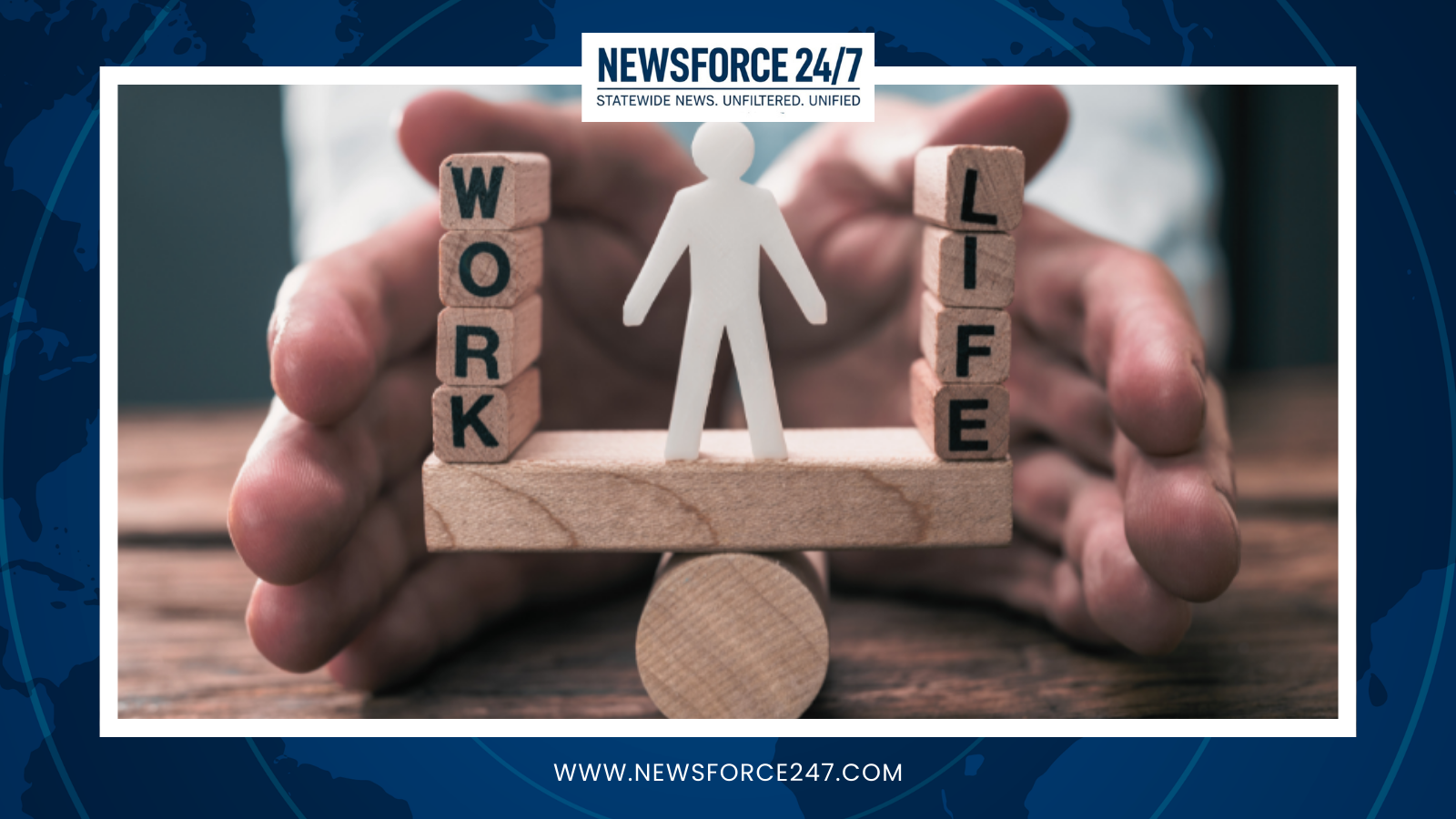

Ohio — It’s 6 a.m., and the day is already full. For many women, the morning routine is a sprint: packing lunches, answering work emails, checking in on aging parents, and getting the kids to school — all before the first cup of coffee has a chance to cool.

This constant juggling act, often called the “invisible load,” describes the unseen mental and emotional labor women carry while managing careers, families, and community commitments. It’s a balancing act that feels familiar to millions of women across Ohio and beyond — one that advocacy and health experts say must be recognized, not romanticized.
“Women are still expected to ‘do it all,’ but doing it all comes with real health costs — chronic stress, burnout, and even physical illness,” said Dr. Elaine Marcus, a Columbus-based psychologist specializing in women’s mental health. “The invisible load is exactly that: invisible. It’s hard to measure, but it’s always there.”

The Weight of Expectation
Even as workplace equality improves, studies continue to show women shoulder more household and caregiving responsibilities. According to the U.S. Bureau of Labor Statistics, women spend nearly twice as much time as men on unpaid domestic labor. The result: less rest, more multitasking, and higher rates of anxiety and fatigue.
Local community advocate Tasha Reynolds of Marion says she’s witnessed this firsthand. “Between work, volunteering, and raising kids, there’s a constant sense that you’re being pulled in five directions at once,” she said. “Women are pouring from an empty cup — and too often, no one notices until they’re completely drained.”

Shifting the Narrative
Advocates argue that awareness is the first step toward relief. Employers are introducing flexible schedules, mental health days, and wellness programs designed with women’s workloads in mind. At home, open conversations and more balanced partnerships are helping redistribute responsibilities.
“Self-care isn’t selfish,” Dr. Marcus emphasized. “It’s essential. Setting boundaries, sharing tasks, and asking for help aren’t signs of weakness — they’re acts of strength that nurture both women and the communities they hold together.”

A Healthier Balance Ahead
Women’s advocacy groups across Ohio are hosting workshops and discussions aimed at reframing success and mental wellness. From corporate seminars to neighborhood gatherings, the movement encourages women to redefine balance — not as perfection, but as flexibility and compassion toward oneself.
“It’s not about doing more,” Reynolds said, “it’s about being more present — for our families, our work, and ourselves.”
As more women and allies speak openly about the invisible load, the hope is that society’s expectations will lighten — and that the act of balancing modern womanhood will finally feel a bit less weighty.