


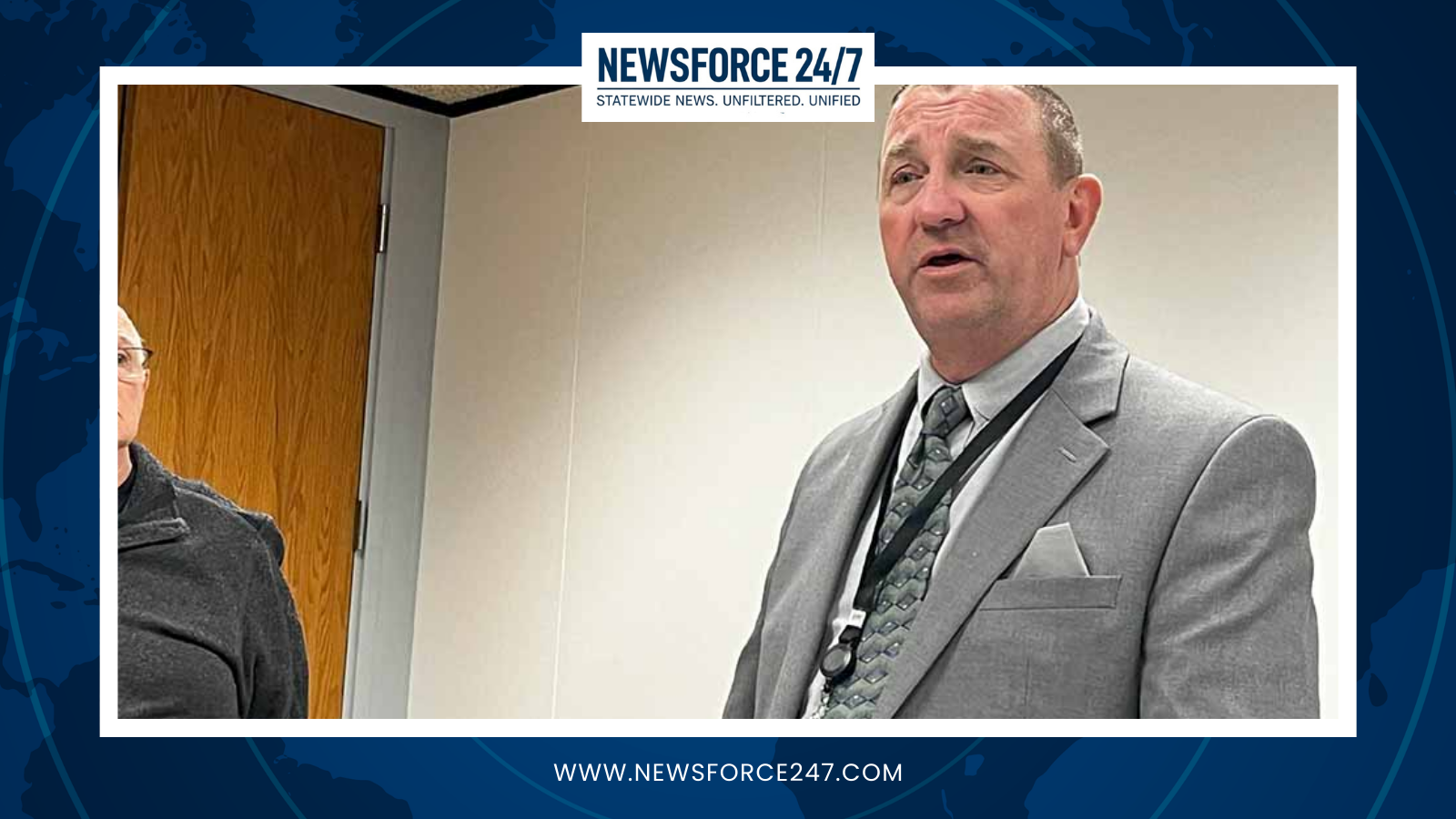

Mayor Bill Collins of Marion, Ohio, issued a detailed public statement debunking widespread rumors about the city’s finances, emphasizing transparency amid a state-declared fiscal crisis.
Debunking Deficit Myths
Collins clarified that no money has been stolen from city funds, countering claims of over $8 million missing. The Ohio Auditor of State’s Declaration of Fiscal Caution on October 31, 2025, identified 13 funds with combined deficit balances totaling $8,877,996 due to years of overspending without required General Fund transfers. These structural imbalances, not theft, require correction through a mandated recovery plan, he stated.

Tax Policy Clarifications
The mayor refuted assertions of broad tax hikes, noting efforts target a 2023 50% tax credit for residents working outside Marion. Voters approved the city’s 2% income tax in 2012 without such credits, and repealing it aims to ensure fair contributions for city services.

Utility and Service Adjustments
Utility rate changes stem from outdated pricing, not to offset “lost” funds, according to Collins. Storm sewer rates unchanged since 2017 have contributed to $8.69 million in deficits across sewer, sanitation, and stormwater operations since then; sanitation rates propose a $3 flat increase after 12 years; and curbside recycling elimination could save $435,775 annually. Marion Transit continues with a fare hike to $2—still competitive regionally—after 15 years without adjustment, supported partly by state funds.

Fire Station Project On Hold
Fire levy funds remain intact in a restricted account for a new station, having purchased the former Rite Aid and Kimmel Cleaners properties. Construction pauses due to borrowing constraints from the fiscal state, with resumption planned once finances stabilize.
Path to Recovery
Ohio mandated a Financial Recovery Plan incorporating state revenue and expense recommendations, facing no objections on proposed adjustments. Collins stressed multi-year departmental efforts for spending cuts and revenue growth to foster long-term stability, prioritizing community resilience over politics.
