



Redefining Parental Rights

At its core, HB 693 stipulates that a parent’s refusal to affirm a child’s self-identified gender identity—referred to in the bill as “affirming a child’s sex”—cannot be used as grounds for investigations into abuse or neglect.
The bill would prohibit public children services agencies and private child-placing agencies from:

* Characterizing a parent as “harmful” or “dangerous” for rejecting gender-affirming care.
* Removing a child from a home solely because the parents do not support a transition.
* Barring prospective foster or adoptive parents from placement because they refuse to affirm a child’s gender identity.
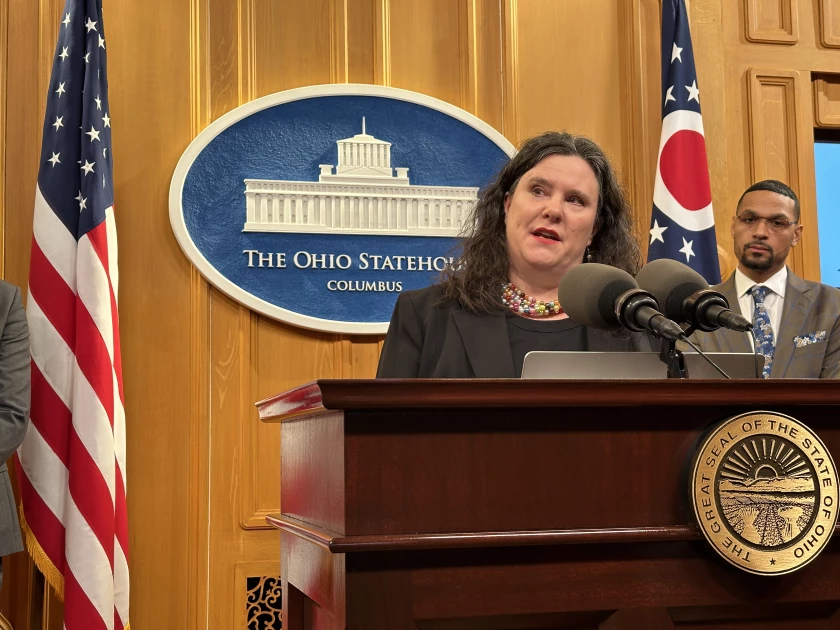
“We are going to say in Ohio, it is not a danger to treat your child normally and to affirm your son is your son and your daughter is your daughter,” Rep. Click stated during a news conference last Tuesday.

Overturning Local Bans on Conversion Therapy
A major provision of the bill targets local autonomy. HB 693 would effectively strike down municipal bans on conversion therapy that currently exist in major Ohio cities, including Columbus, Cincinnati, Cleveland, and Akron.

The bill reframes the legal definition of “counseling,” arguing that efforts to encourage a child to embrace their biological sex should not be legally categorized as conversion therapy. This has sparked intense pushback from medical professionals and advocacy groups.
“HB 693 undermines evidence-based child welfare protections,” said Siobhan Steward, a spokesperson for a local non-profit. “If passed, this bill would lead to increased trauma and victimization of Ohio’s most vulnerable kids.”
Classroom and State Oversight
The reach of the “Affirming Families First Act” extends into public schools and state agencies. Key educational provisions include:
* Preferred Pronouns: Prohibiting schools from disciplining teachers who refuse to use a student’s preferred pronouns.
* Information Gathering: Barring state agencies from “proactively soliciting” information from minors regarding their sexual orientation or gender identity without parental consent.
* Funding Ties: The state would be prohibited from using funds for any training or programs that characterize the affirmation of a child’s biological sex as a form of abuse.
Next Steps
The bill was formally introduced on February 10, 2026, with 15 Republican co-sponsors. It now awaits assignment to a House committee for initial testimony. If it follows the path of previous similar legislation, such as the SAFE Act (HB 68), it is expected to face a heated battle in the legislature and potential legal challenges from civil rights organizations.