



Bill details and scope

Senate Bill 308 would direct the Ohio State Highway Patrol to provide security for the lieutenant governor, the governor-elect and lieutenant governor-elect, and “eligible candidates” for governor who request protection from the sitting governor. Those eligible candidates include party-endorsed and nominated contenders, as well as certified independent candidates, and the proposal sets aside about 10 million dollars to fund the expanded duties. The measure also expands the Highway Patrol’s jurisdiction in state law to formally cover these security responsibilities.
DeWine’s support and rationale

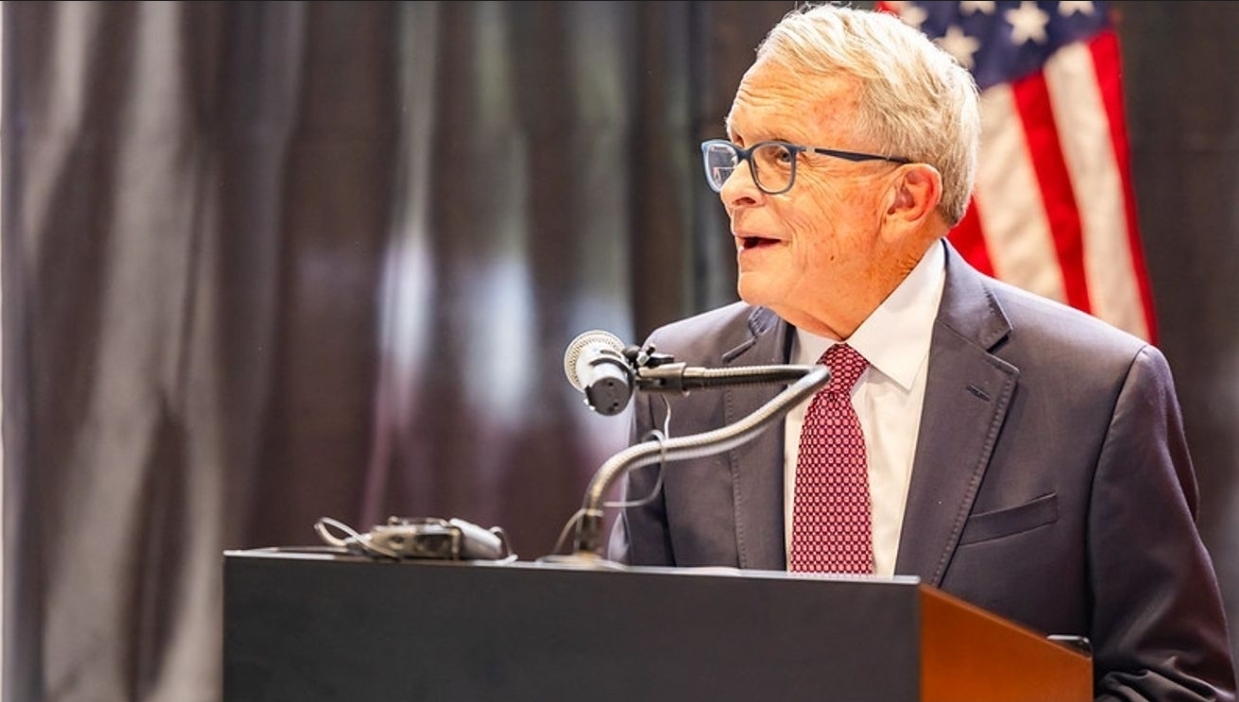
DeWine, a former prosecutor, has publicly endorsed the legislation, saying he has been briefed on the proposal and believes it “makes a lot of sense” given the rising profile and risk level of gubernatorial contenders. He has described the current climate as a “heightened time” for threats against public officials and argued that the state should be prepared to “give them the help that they need.” The bill includes an emergency clause, meaning it would take effect immediately once passed by lawmakers and signed by the governor.
Triggering incidents and rising threats

Lawmakers introduced Senate Bill 308 in October following the assassination of conservative commentator Charlie Kirk in 2025, an incident that intensified debate over the safety of high-profile political voices and candidates. The conversation around the bill has also been fueled by high-profile security concerns in the 2026 governor’s race, including Republican candidate Vivek Ramaswamy’s decision to fire his private security team after one bodyguard was arrested on federal drug trafficking charges and two others were found not to be properly registered in Ohio. Both Ramaswamy and Democratic candidate and former Ohio Department of Health Director Dr. Amy Acton have received death threats over the years, underscoring what supporters say is a clear need for state-managed security standards.
Bipartisan backing and open questions

The bill has bipartisan sponsorship in the Ohio Senate and has held at least one initial hearing, though it has yet to receive a first full hearing in committee as the 2026 campaign season accelerates. Supporters from both parties frame the measure as a public-safety and democracy issue, arguing that candidates should not have to weigh personal security risks when deciding to run for statewide office. But as the 10 million dollar price tag and the role of the Highway Patrol come into sharper focus, lawmakers are likely to face questions about how long the state should fund round-the-clock protection in competitive primaries and general elections.
What’s next for SB 308
With DeWine’s endorsement now public, Senate Bill 308 is poised to gain momentum as legislators return to the Statehouse and committees begin to sort through security, cost, and implementation details. If the bill clears both chambers with its emergency clause intact, state-funded security for gubernatorial candidates could be in place before the 2026 race reaches its peak, reshaping how campaigns manage risk on a crowded, polarized campaign trail. For now, the debate over SB 308 sits at the intersection of political violence, public spending, and Ohio’s effort to protect the people asking voters for the state’s highest office.