


Aiding and abetting

Under Minnesota Statute § 609.495, prosecutors can charge “aiding an offender” when a person intentionally helps someone they know (or have reason to know) has committed a crime, with the aim of helping that person avoid arrest, trial, conviction, or punishment. This can include acts such as harboring, concealing, or assisting “by word or acts,” and may be charged as a felony if the underlying offense—such as felony-level fleeing a peace officer—is itself a felony.
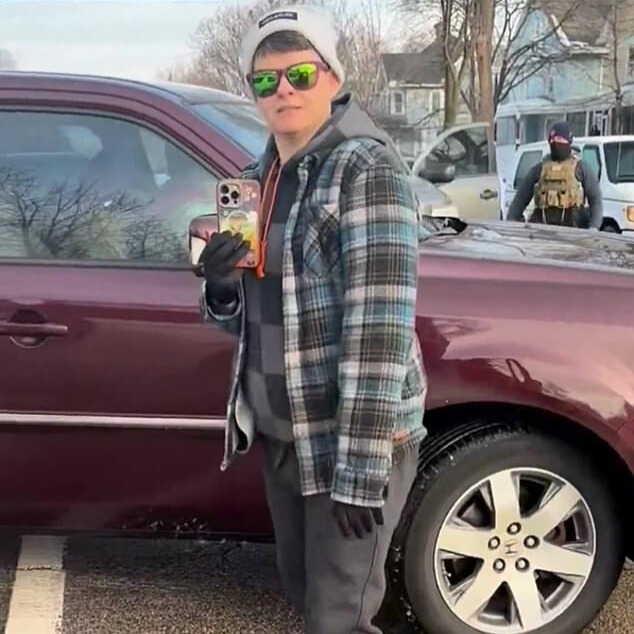
To apply this statute to Good’s partner, investigators would look for evidence that the partner actively encouraged or facilitated attempts to evade law enforcement, either during the vehicle encounter or afterward. If authorities concluded that such conduct was intended to help avoid consequences for fleeing in a motor vehicle, the partner could face exposure to penalties of up to three years in prison and a fine of up to $5,000, depending on the underlying offense level and charging decisions.

@newsforce247 BREAKING: Officer Ross Video has been released out of Minneapolis Shooting. #news #newsforce247 #SupportIndependentNews ♬ original sound – NewsForce 24/7
Obstructing legal process
Minnesota Statute § 609.50 criminalizes obstructing the legal process, arrest, or firefighting, and covers conduct that interferes with an officer performing lawful duties. While mere verbal criticism or profanity toward police is generally protected speech, actions that go further—such as urging others to block officers, impede an arrest, or otherwise interfere physically—can cross into criminal obstruction.

If investigators determined that Good’s partner shouted instructions to others to intervene, blocked officers, or otherwise disrupted a lawful arrest or investigation, prosecutors could consider an obstruction charge under this statute. Obstructing the legal process is typically a misdemeanor, but it can escalate in severity if the interference involves force or violence, or if it significantly hinders an investigation or arrest.
Fleeing a peace officer and related liability

Minnesota Statute § 609.487 defines fleeing a peace officer in a motor vehicle as increasing speed, turning off lights, or otherwise attempting to elude an officer who is acting with lawful authority. The statute is aimed primarily at the driver, but people who help facilitate the escape—through directions, planning, or other assistance—can face liability under aiding-and-abetting or aiding-an-offender provisions rather than as principal drivers.
In the Good case, authorities would examine whether the partner encouraged driving away, helped plan or coordinate flight, or took any steps afterward to hide evidence or mislead investigators. If such conduct were proven, the partner could be prosecuted as an accomplice or as someone aiding an offender, with potential exposure to penalties tied proportionally to the seriousness of the underlying fleeing offense.
Evidentiary and investigative hurdles
Any move to charge Good’s partner would depend on what investigators can document from phone recordings, surveillance video, officer reports, and witnesses present at the ICE operation in Minneapolis. Legal experts have already noted that federal control over key evidence in the case may complicate state-level investigations, which could in turn affect decisions about whether to pursue secondary charges against bystanders or associates.
Prosecutors would also weigh public-interest and policy concerns, including the context of a deadly shooting that has drawn scrutiny of ICE practices and of President Donald Trump’s immigration enforcement priorities. Charging a bereaved partner in such a charged environment would likely require particularly clear evidence of intentional interference or assistance in criminal conduct, beyond mere presence at the scene or emotional reactions to the confrontation.