


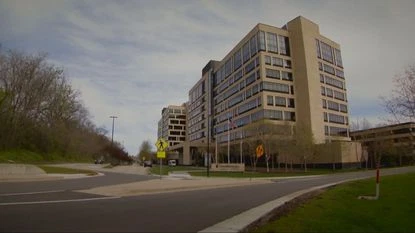
The deal, announced jointly by the organizations this week, preserves in-network access to TriHealth physicians, hospitals and outpatient facilities for UnitedHealthcare members in the region. The agreement comes as the previous contract was nearing its end, raising fears among patients that they would face out-of-network charges or be forced to switch doctors.

“This agreement ensures that our patients can continue to see the providers they know and trust without interruption,” a TriHealth spokesperson said in a statement. “We recognize how stressful these negotiations can be for the community, and we are pleased to have reached a resolution that prioritizes patient care.”
UnitedHealthcare also framed the new contract as a win for consumers.

“Our goal has always been to maintain access to high-quality, affordable care for our members,” a UnitedHealthcare representative said. “This new agreement with TriHealth helps us do that, while also addressing the rising costs in the health care system.”
Details of the contract, including payment rates and length of the agreement, were not disclosed. Both organizations described the new deal as “multi-year,” providing what they called “stability and predictability” for patients and employers who purchase UnitedHealthcare plans.

The negotiations had been underway for more than a year and, at times, raised alarms among patients, employers and local officials. Some residents reported receiving notices warning that TriHealth might be considered out of network if no agreement were reached by the end of the current contract period.
“I was really worried I’d have to find a new doctor or pay a lot more,” said a local UnitedHealthcare member who receives regular treatment at a TriHealth facility. “Hearing they reached a deal is a huge relief.”

Health policy experts say such standoffs have become more common nationwide as hospitals, physician groups and insurers battle over reimbursement rates, inflation pressures and the cost of new technologies and treatments. While many disputes are resolved before contracts lapse, they often leave patients anxious and confused.
“When negotiations drag on, patients get caught in the middle,” said a regional health care analyst. “Even if coverage is ultimately preserved, the uncertainty can be upsetting for families who depend on ongoing care.”
TriHealth and UnitedHealthcare both said they will notify patients and employers about the new agreement and update online provider directories to confirm in-network status. Patients are encouraged to contact their health plans or providers if they have questions about specific services or coverage.
Local business groups, which had urged both sides to finalize a deal, welcomed the news, saying it will help employers manage benefits during an already challenging economic period.
“For companies and workers alike, continuity of care matters,” said a representative of a regional employers’ association. “This agreement brings some much-needed peace of mind.”
Residents with UnitedHealthcare insurance who receive care through TriHealth are expected to see no immediate changes in how they access services. Routine appointments, specialist visits and scheduled procedures at TriHealth facilities should continue as planned, according to both organizations.
“This is good news for our community,” TriHealth’s spokesperson said. “Now we can all refocus on what matters most: keeping people healthy.”